Livelihood of the islands and the marine plastic problem
2020.8~
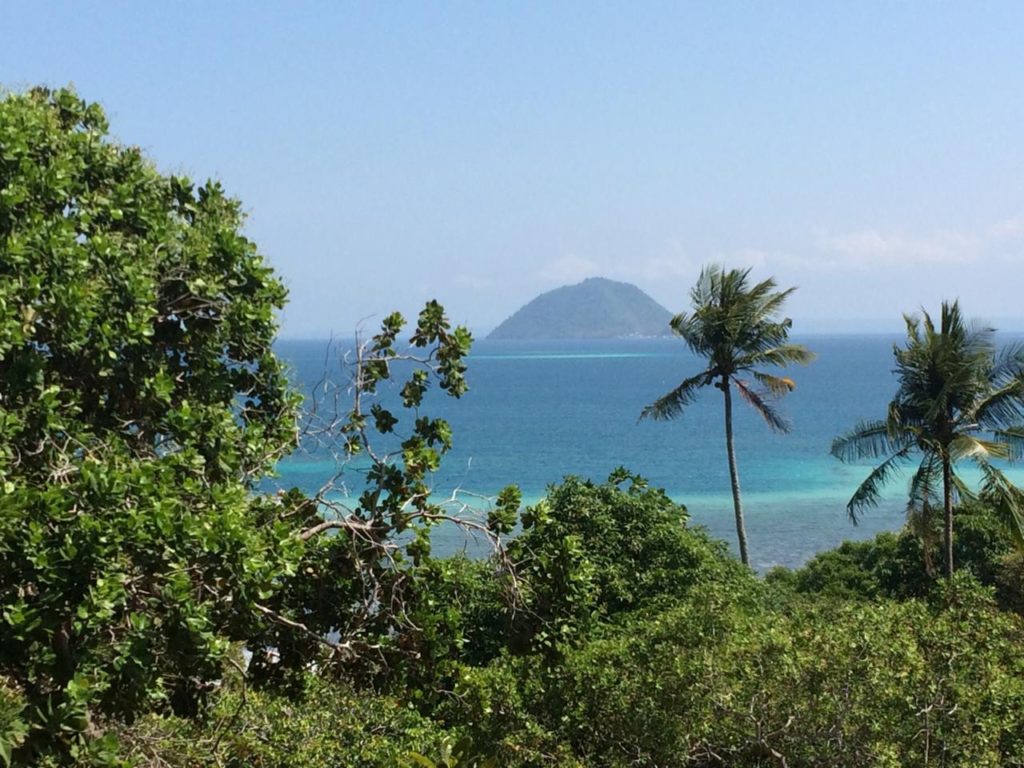
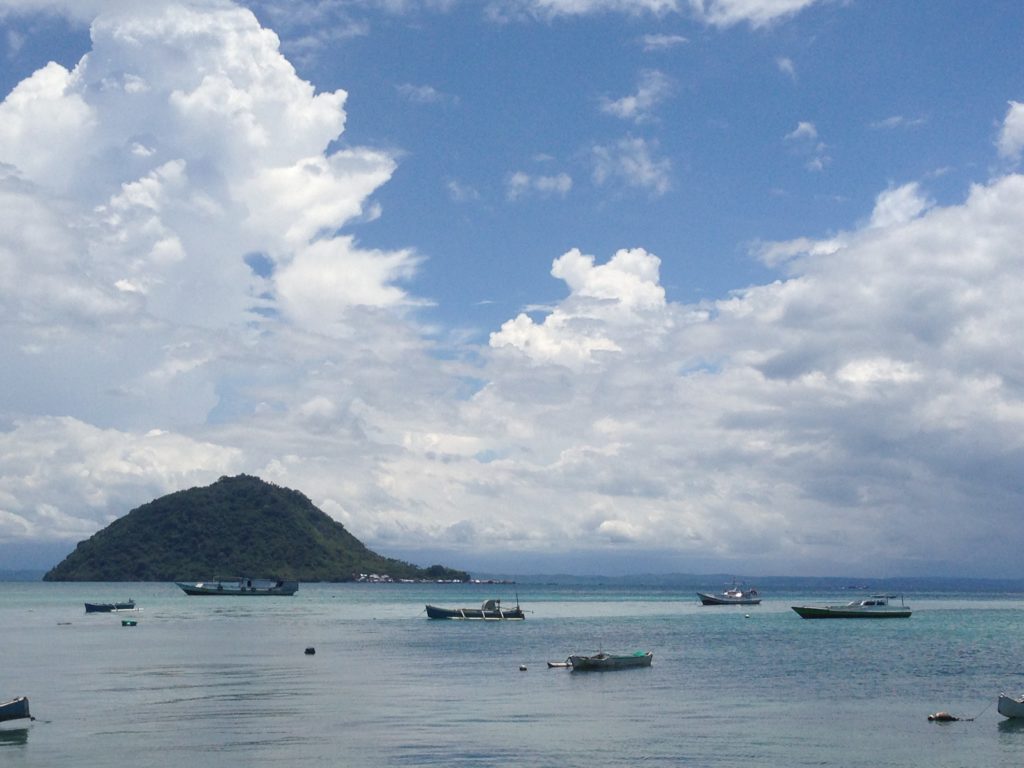
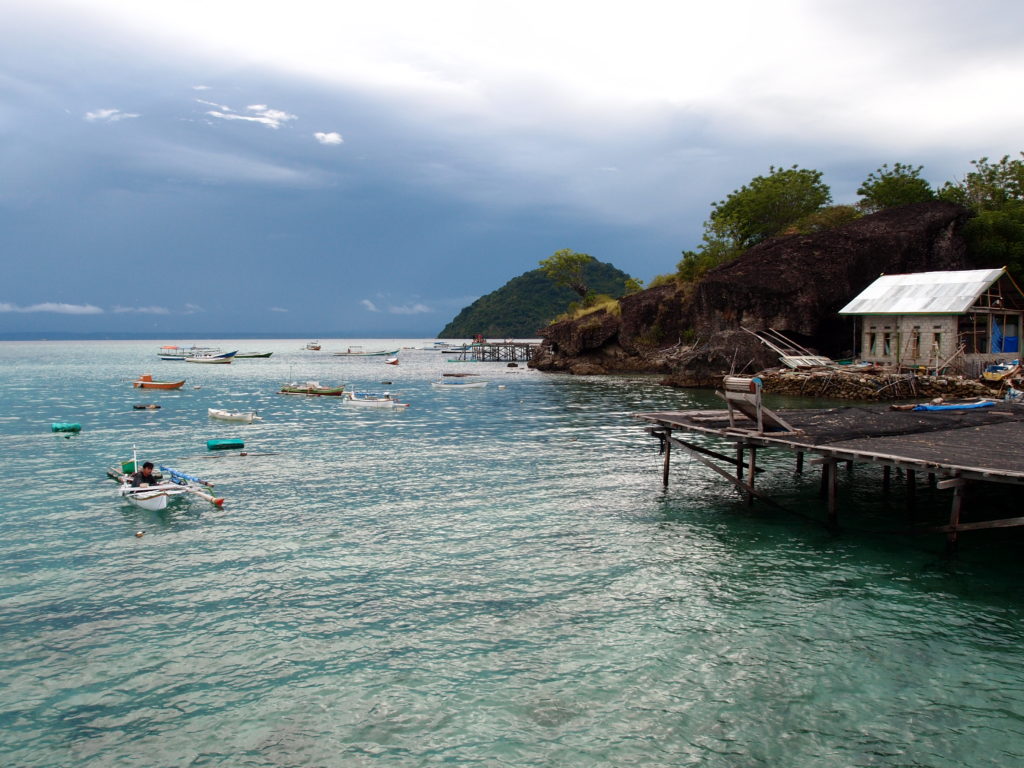
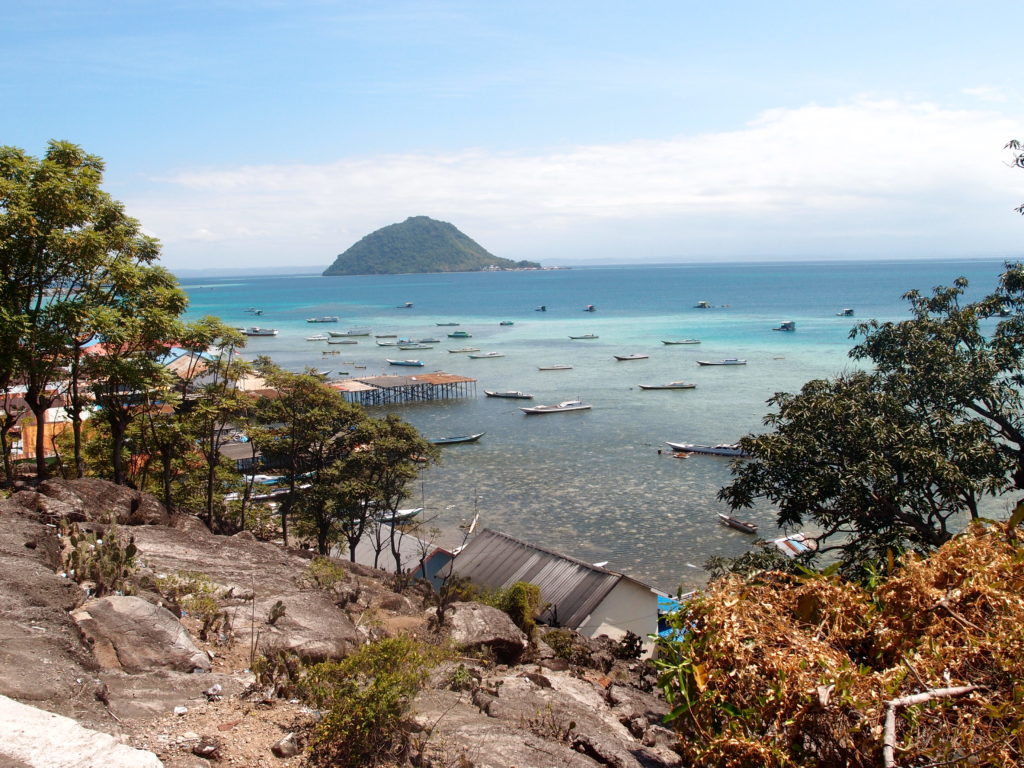
The small island of Sembilan is densely populated and has limited land suitable for agriculture. And now, the major issues are the waste problem and unstable income. Through the efforts of the next generation of young people on this island, we will consider what a recycling-oriented and sustainable society on a remote island looks like.
Local Issues and Challenges of Next Generation Fishermen in Sembilan Islands
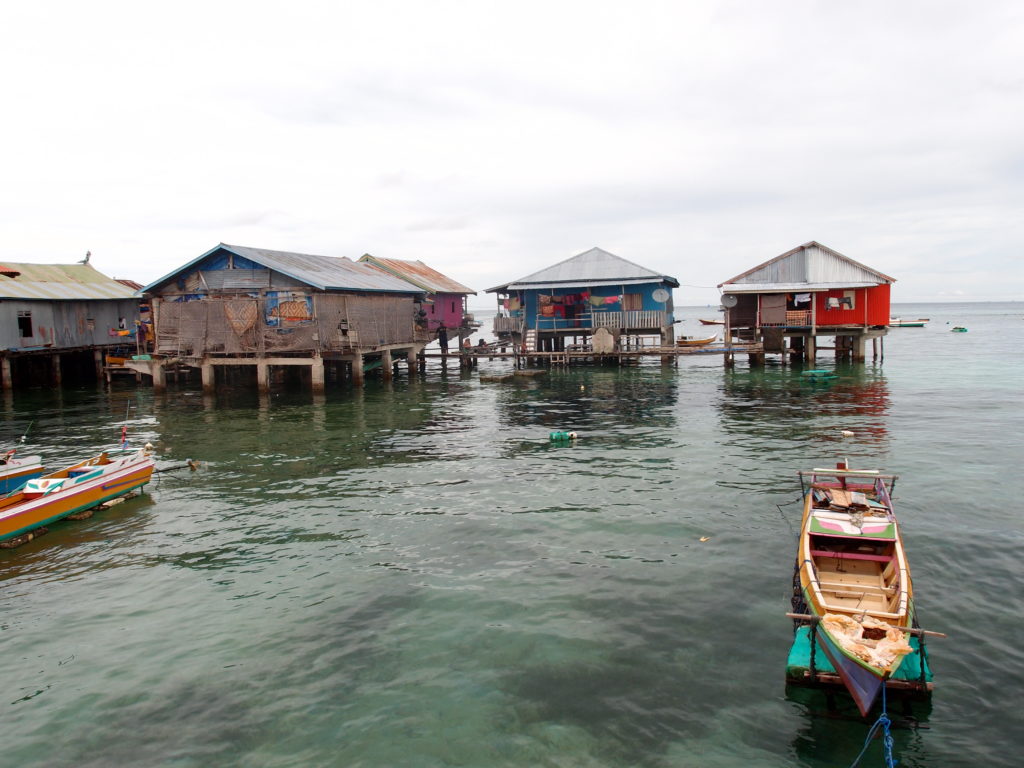
Most of Sumbilan Island’s 23 Ha area is made up of rocks, and the land suitable for cultivation is limited. Until the 1970s, people consumed the seafood they caught within their marriage-based kinship networks. Until the 1970s, the fishermen consumed their catch within their marriage-based kinship networks, but the introduction of engine-powered boats has changed their social system as well as their fishing patterns. The island’s marine resources have been protected by preventing outside vendors from entering the kinship network, while flexibly changing the types of fish to be caught and cultivated according to market price fluctuations.
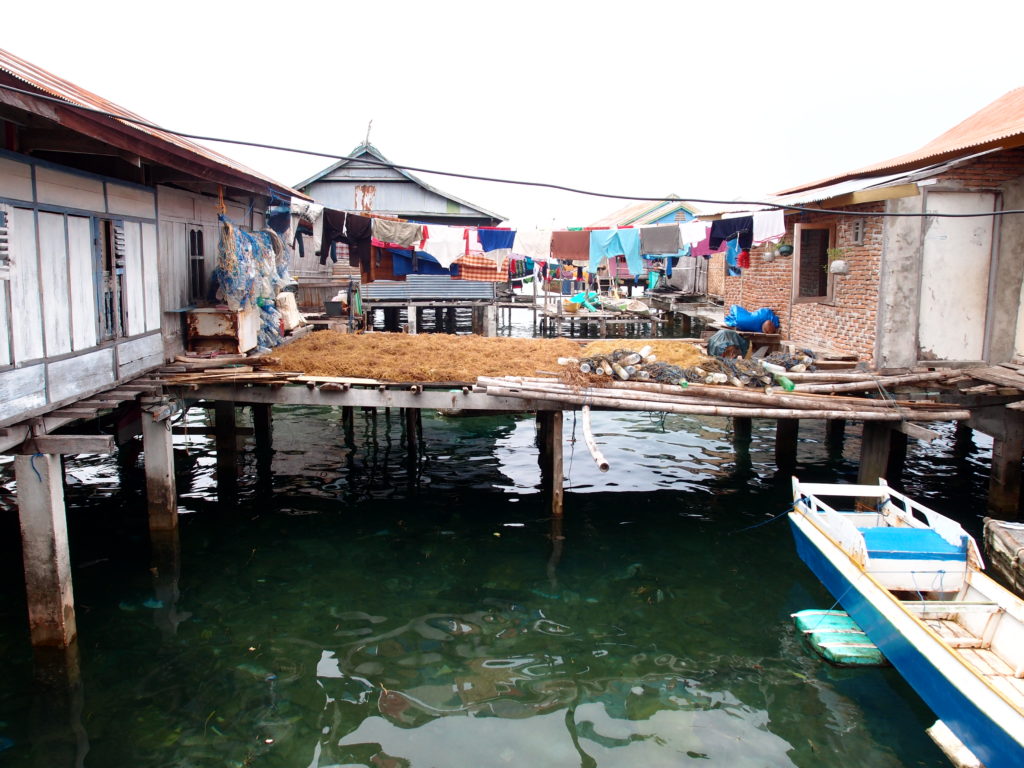
Currently, 80% of the island’s working population is engaged in seaweed farming. In addition, octopus fishing, using plug-type fishing gear with hooks attached to pseudo-bait, is an important source of income.
However, because seaweed is only dried and shipped as raw material, it is sold at a low price, and because octopus is also exported overseas, the price in urban areas fluctuates greatly and income is not stable.
Furthermore, all the daily household garbage of the entire island has been disposed into the ocean. The island’s shores are covered with garbage and deteriorated plastic bottles used in seaweed farming, and the marine debris problem is becoming more and more pronounced every year. In response to this situation, the next generation of fishermen on Sumbilan Island have begun to break through this sense of stagnation regarding the future of the island and the prospects for their livelihood.
Diversification of Fishery Management and the Challenge of Addressing the Island’s Plastic Problem
By improving their fishing gear and methods, and by devising ways to process, distribute, and sell their catch, they are trying to diversify their fishing business to stabilize their income, and at the same time, they are beginning to look for ways to do something about the island’s ever-increasing garbage problem. However, with so many items being discarded, we wondered how we could reuse them or put them to new uses, so we decided to think about it through familiar fishing gear.
The active substances from these seaweeds, Euchema spinosum and Kappaphycus alvarezii, cultivated on the island of Sembilan, are used in food production for their functions as stabilizers, gelling agents, and plant fibers. In addition, it has the effect of capturing carbon from the air and has the property of biodegradation, making it possible to produce materials or put together multiple elements. Taking advantage of these properties, we are first trying to make plastic lures for fishing into bioplastics generated from seaweed.
This octopus fishing lure (Meng kajeppe) is a traditional fishing gear that symbolizes the culture of Sembilan Island, which is a fusion of the Bajau and Bugis fishing cultures. At present, it is mostly made of plastic, which is easily left in the water due to root damage. Therefore, we aim to make it environmentally friendly and biodegradable by replacing it with seaweed bioplastic.
In addition to cultivating seaweed, we are also trying to improve and stabilize fishery income by introducing high value-added processing, distribution, and sales as a whole. In order to make effective use of the nutrients and properties of seaweed, we will dry, grind, and process it into powder form, and devise a variety of uses for it.
In addition to being used as a thickening agent, gelling agent, stabilizer, and glue, we also expect to develop it into a variety of applied products such as soaps and cosmetic products in the future.
Integrating existing traditional fisheries with modern values
How can we create a new social business model by combining existing traditional fisheries with modern values?
In this way, we aim to solve local issues while inheriting the island’s culture of challenging the problem of marine debris by developing bioplastics using seaweed and other familiar materials. The existing seaweed cultivation and octopus fishing on Sumbilan Island will become the core of the project, and with the addition of the sixth industrialization of processing and commercialization, new industries and values are about to be born.
There is no guarantee that the fishermen’s development of environmentally friendly lures using seaweed bio-blastics and the development and branding of processed products will succeed. Nevertheless, I am hopeful that the process of Indonesian fishermen themselves going beyond their existing ideas and perspectives to innovate their way of life, rather than the government, corporations, or university laboratories, will become a new form of business that rides on the tide of the “blue economy.